Wedding Story: A Script Font for Web Design and Branding
A Unique Handwritten Style for Digital Projects
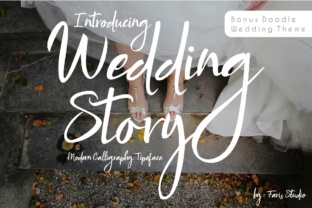
Wedding Story is a hand written font that brings a unique and strong visual personality to any design. Its script style offers a blend of elegance and warmth, making it ideal for creative web projects. As a web designer, I’ve found that fonts like Wedding Story can significantly influence the tone and feel of a digital brand. It’s not just about aesthetics—it's about how the typeface interacts with the user experience.
Why Wedding Story Works in Web Design
Wedding Story stands out because of its clean yet expressive strokes. It has a natural flow that feels personal and authentic, which aligns well with brand storytelling. Whether you're working on a wedding-related site or a lifestyle blog, this font adds a touch of sophistication without being too formal.
Its versatility makes it a great choice for various design elements. From headers to call-to-action buttons, Wedding Story maintains readability while adding character. The font's structure allows it to work well with both light and dark backgrounds, ensuring legibility across different layouts.
Using Wedding Story in Key Web Design Elements
One of the best ways to use Wedding Story is in hero sections. Its bold presence can immediately draw attention and set the tone for the entire page. For example, a boutique online store might use it as the main title on their homepage, creating a memorable first impression.
It also works well for section headings, especially in content-heavy pages like blog posts or course sales pages. When paired with a simpler sans-serif font for body text, Wedding Story helps establish a clear visual hierarchy. This contrast ensures that users can easily scan through content without feeling overwhelmed.
For buttons and short phrases, Wedding Story adds a friendly and approachable vibe. It’s perfect for CTAs like “Shop Now” or “Learn More,” where the goal is to encourage immediate action. The font’s script style creates a sense of urgency and exclusivity, which can be beneficial for conversion-focused layouts.
Readability and Responsiveness
When using Wedding Story on mobile screens, it's important to consider size and spacing. At smaller sizes, the font can become less legible if not properly scaled. To maintain readability, ensure that the font size is at least 16px on mobile devices and adjust line spacing accordingly.
On responsive layouts, Wedding Story should be used sparingly. While it adds visual interest, overuse can lead to clutter. Instead, reserve it for key elements like logos, headers, and decorative accents. This approach keeps the design clean and focused while still allowing the font to shine in its intended applications.
Font Pairing for Web Design
Pairing Wedding Story with other fonts can enhance its impact. A common pairing is using it as a display font alongside a simple sans-serif font like Montserrat or Open Sans for body copy. This combination creates a balance between style and functionality.
If you’re aiming for a more editorial look, consider pairing Wedding Story with a serif font like Playfair Display. This pairing can give your design a refined and professional feel, suitable for portfolio sites or creative branding projects.
For a modern twist, combining Wedding Story with a geometric sans-serif font like Futura can create an interesting contrast. This approach works well for digital ads, social media graphics, and product landing pages where a mix of traditional and contemporary styles is desired.
Commercial Font Licensing and Practical Use
Wedding Story is a commercial font, which means it can be used in websites, landing pages, online stores, and digital templates. When purchasing a license, make sure to check the included file formats, such as OTF and TTF, as well as webfont availability for use on the web.
Also, consider whether the font includes alternates, weights, and multilingual support. These features can expand the font’s usability across different design projects and target audiences. For instance, if you're designing for a global audience, having multilingual support can make a significant difference in the user experience.
Finally, always review the licensing terms to ensure compliance. Using a font in a client project or a branded website requires proper attribution and permission, especially when the font is part of a larger design asset kit.